Best Cabin Battery Backup System – Reviews – Comparisons – Buyer Insight
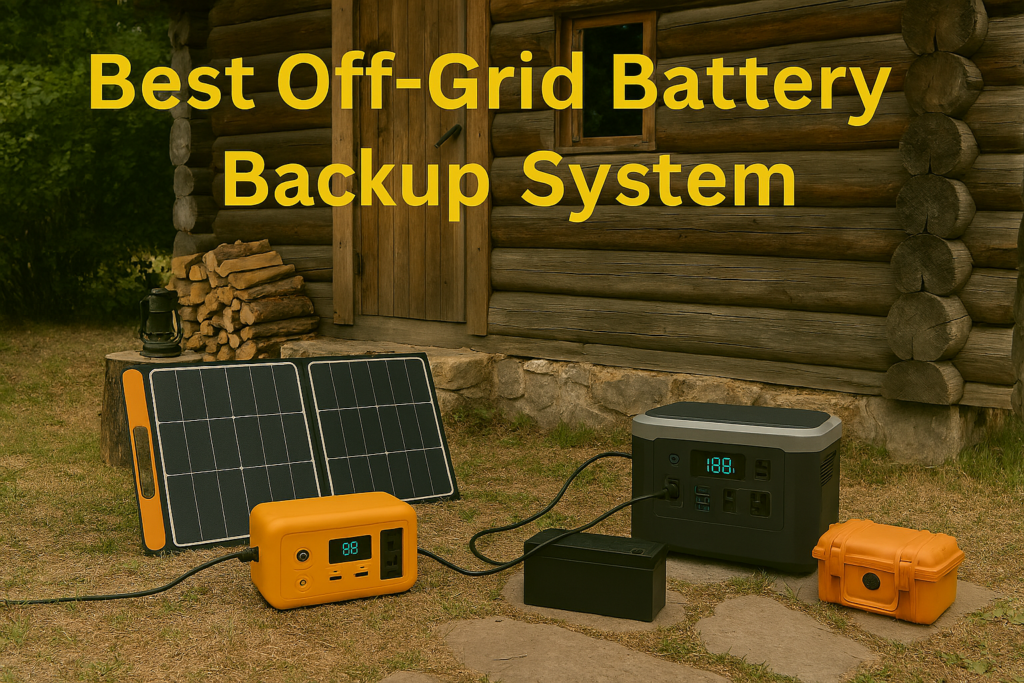
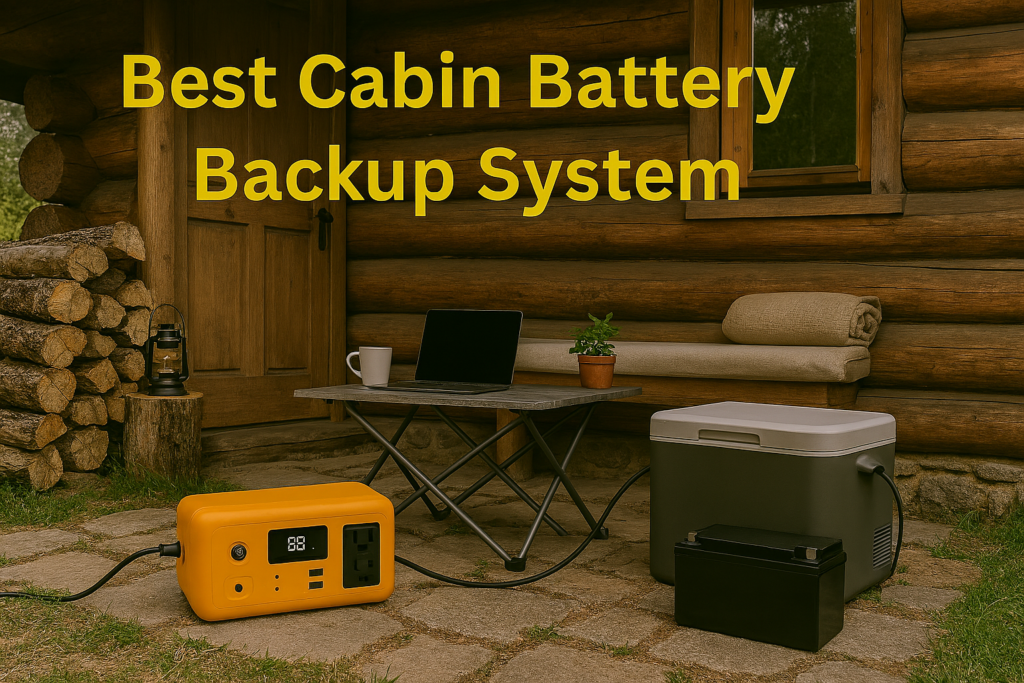
Choosing the right cabin battery backup system is essential for off-grid living, weekend getaways, and remote properties where grid power is unreliable or unavailable. A well‑designed system keeps lights on, powers fridges, supports tools, and maintains essential devices during outages. Because cabins vary widely in size and usage, it helps to choose a battery bank and inverter combination that matches your daily loads, solar potential, and long‑term energy needs.
This guide compares the best cabin battery backup systems across real‑world scenarios, including small weekend cabins, full‑time off‑grid living, and solar‑heavy setups. Each recommendation includes capacity, output, cycle life, and wiring considerations so you can build a reliable system without guesswork.
Best Cabin Battery Backup Systems — Quick Comparison
This comparison table gives you a fast overview of the top cabin battery backup systems. It highlights capacity, inverter output, solar compatibility, and best‑use scenarios so you can quickly identify the right setup for your cabin.
| System | Best For | Battery Bank | Inverter Output | Solar Input |
|---|---|---|---|---|
| Bluetti AC200MAX + Expansion | Best overall | 2048–4096Wh LiFePO4 | 2200W | 900W solar |
| EcoFlow Delta 2 Max Kit | Weekend cabins | 2048Wh LiFePO4 | 2400W | 1000W solar |
| EcoFlow Delta Pro | Full‑time off‑grid | 3600Wh LiFePO4 | 3600W | 1600W solar |
| Bluetti EB70S | Small cabins | 716Wh LiFePO4 | 800W | 200W solar |
| Jackery Explorer 1000 Plus | Portable setups | 1264Wh LiFePO4 | 2000W | 600W solar |
Best Cabin Battery Backup Systems by Scenario
Every cabin has different power needs depending on size, climate, solar exposure, and how often you stay there. When you match your battery capacity, inverter output, and solar input to your real-world routine, your cabin system becomes far more reliable and easier to maintain year-round.
Bluetti AC200MAX + Expansion
Definition: This category is for cabins that need a dependable, expandable, solar-friendly system capable of powering fridges, lights, routers, tools, and small appliances.
The Bluetti AC200MAX delivers 2048Wh of LiFePO4 storage, expandable to 4096Wh or more with additional batteries. Its 2200W pure sine inverter handles most cabin appliances, while the 900W solar input ensures strong daily recovery even in cloudy conditions.
| Battery Capacity | 2048–4096Wh LiFePO4 |
|---|---|
| Inverter Output | 2200W |
| Solar Input | 900W |
| Best Use | All-purpose cabin systems |
Pros
- Expandable battery capacity
- Strong solar input
- Excellent for daily cycling
Cons
- Expansion batteries add weight
- Slower AC charging than EcoFlow
EcoFlow Delta 2 Max Kit
Definition: This category is for weekend cabins that need fast charging, strong inverter output, and reliable solar performance without requiring a massive system.
The EcoFlow Delta 2 Max offers 2048Wh of LiFePO4 storage, a 2400W inverter, and up to 1000W of solar input. It charges extremely fast from AC power, making it ideal for topping up before heading to the cabin.
| Battery Capacity | 2048Wh LiFePO4 |
|---|---|
| Inverter Output | 2400W |
| Solar Input | 1000W |
| Best Use | Weekend cabins + short stays |
Pros
- Extremely fast AC charging
- Strong 2400W inverter
- Great solar performance
Cons
- Expansion batteries increase cost
- Heavier than smaller units
EcoFlow Delta Pro
Definition: This category is for full-time off-grid cabins that need a large, scalable system capable of powering major appliances and extended outages.
The EcoFlow Delta Pro delivers 3600Wh of LiFePO4 storage, a 3600W inverter, and up to 1600W of solar input. It can be expanded to 25kWh+ and integrated into cabin transfer switches for whole‑home backup.
| Battery Capacity | 3600Wh LiFePO4 |
|---|---|
| Inverter Output | 3600W |
| Solar Input | 1600W |
| Best Use | Full‑time off‑grid cabins |
Pros
- Massive inverter output
- Expandable to full home systems
- High solar input
Cons
- Premium price
- Heavy and large
Bluetti EB70S
Definition: This category is for small cabins, sheds, and weekend retreats that need a compact, reliable system for lights, fans, routers, and small appliances.
The Bluetti EB70S offers 716Wh of LiFePO4 storage, an 800W inverter, and 200W of solar input. It’s lightweight, portable, and ideal for minimal off-grid setups.
| Battery Capacity | 716Wh LiFePO4 |
|---|---|
| Inverter Output | 800W |
| Solar Input | 200W |
| Best Use | Small cabins + sheds |
Pros
- Lightweight and portable
- LiFePO4 long cycle life
- Reliable 800W output
Cons
- Limited solar input
- Not suitable for heavy loads
Popular Cabin Battery Backup Accessories
These accessories help improve charging efficiency, protect your system, and extend off-grid runtime for cabins of all sizes.
200W Folding Solar Panel
Provides fast solar charging for cabin systems and pairs well with EcoFlow and Bluetti units.
| Wattage | 200W |
|---|---|
| Use Case | Solar charging |
Victron SmartShunt Battery Monitor
Provides accurate state-of-charge readings and Bluetooth monitoring for your entire cabin battery system.
| Connectivity | Bluetooth |
|---|---|
| Benefit | Accurate SOC tracking |
ANL Fuse Kit (200A)
Protects your wiring and battery bank from short circuits and high-current faults.
| Rating | 200A |
|---|---|
| Use Case | Battery bank protection |
4AWG Battery Cable Set
Heavy-gauge wiring ensures safe, low-resistance connections for high-current cabin systems.
| Gauge | 4AWG |
|---|---|
| Use Case | Battery + inverter wiring |
How to Choose the Best Cabin Battery Backup System
Choosing the right cabin battery backup system starts with understanding your daily energy use, your solar potential, and the appliances you rely on. Because cabins vary widely in size and climate, it helps to size your battery bank, inverter, and solar array around your real-world routine rather than theoretical numbers. When these components work together, your cabin system becomes far more reliable and easier to maintain year-round.
| Factor | What to Consider |
|---|---|
| Battery Capacity | 200–600Ah (2560–7680Wh) is ideal for most cabins; larger cabins may need 800–1200Ah. |
| Inverter Output | 2000–3000W handles fridges, tools, and appliances; 3600W+ supports full-time living. |
| Solar Input | Higher solar input means faster recovery during cloudy days and winter months. |
| Cycle Life | LiFePO4 batteries offer 3000–6000 cycles, making them ideal for daily cabin use. |
| Expandability | Expansion batteries help scale your system as your cabin needs grow. |
People Also Ask (Quick Answers)
How much battery capacity do I need for a cabin?
Most cabins perform well with 200–600Ah of LiFePO4, while full-time cabins may need 800–1200Ah.
Can a portable power station run a cabin?
Yes — larger units like the Delta Pro or AC200MAX can power fridges, lights, routers, and tools.
Do I need solar panels for a cabin battery system?
Yes — solar is essential for long-term off-grid reliability and daily battery recovery.
Is LiFePO4 better than lead-acid for cabins?
Yes — LiFePO4 offers longer cycle life, deeper discharge, and better efficiency.
Real Cabin Runtime Examples
These examples show how long common cabin appliances can run on different battery capacities. Actual runtime varies; however, these estimates provide a realistic baseline for planning your system.
| Appliance | Typical Wattage | 200Ah (2560Wh) | 400Ah (5120Wh) | 600Ah (7680Wh) |
|---|---|---|---|---|
| 12V Cabin Fridge | 40–60W | 40–60 hours | 80–120 hours | 120–180 hours |
| LED Cabin Lights | 5–10W | 100–200 hours | 200–400 hours | 300–600 hours |
| WiFi Router | 10–15W | 80–120 hours | 160–240 hours | 240–360 hours |
| Microwave (inverter) | 1200–1500W | 1.5–2 hours | 3–4 hours | 5–6 hours |
Common Mistakes When Building a Cabin Battery Backup System
- Undersizing the battery bank: Cabins need more capacity than RVs due to larger appliances.
- Ignoring winter solar: Cabin solar performance drops significantly in winter months.
- Choosing the wrong inverter size: Tools and appliances require strong surge capability.
- Using thin wiring: High-current systems need heavy-gauge cables to prevent voltage drop.
- Skipping expansion planning: Many cabin owners outgrow their initial system within a year.
FAQ: Cabin Battery Backup Systems
Can I run my entire cabin off-grid?
Yes — with a large enough battery bank, strong inverter, and sufficient solar input.
Do I need a transfer switch for my cabin?
Yes — transfer switches allow safe switching between grid and battery power.
Can I charge a cabin battery bank with a generator?
Yes — most systems support generator charging for emergencies or cloudy weeks.
Is 200Ah enough for a cabin?
It works for small cabins or weekend use, although 400–600Ah is better for regular stays.
⚡ Explore More Cabin Power Guides
Build a complete cabin power system with our full collection of battery, inverter, and solar upgrade guides.